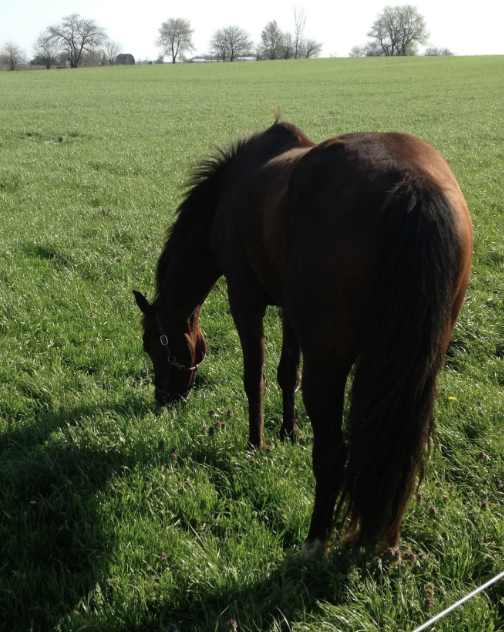
Excellent perennial grass mix of elite, highly palatable varieties that make for superb quality horse and production animal pasture and hay. Nitrogen applications are required to reach maximum performance. Top dress with 50 lb actual N per acre in spring and another 30 lb actual N per acre in midsummer to optimize performance.
Species composition (elite varieties):
Orchardgrass (split between two grazing type varieties), Festololium, Perennial Ryegrass, Meadow Bromegrass, Kentucky Bluegrass, Timothy.
Seeding rates and timing:
Alone (new stands): 20 lb/acre
With alfalfa or clover (new stands): 10-15 lb/acre grass mix + 10-15 lb/acre alfalfa
Overseeding: 10-15 lb/acre
Plant no deeper than 1/4 inch. Recommended planting windows: April–May or ideally late August–mid September.
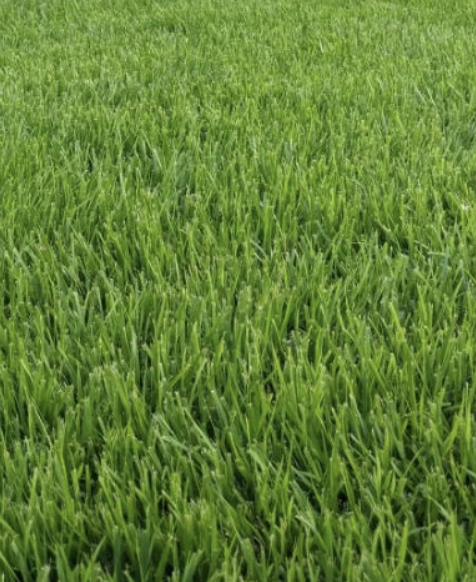
Mix of elite turf type tall fescue (three varieties), perennial ryegrass, and Kentucky bluegrass. This is a very durable low maintenance mix that produces a dense, lush, dark green turf that stands up to high traffic and is resistant to disease. It is suitable for use in full sun to partial shade, and has excellent drought tolerance.
Seeding rate and time:
New lawn: 10-12 lb/1,000 sq. ft.
Overseeding existing turf: 5-6 lb/sq. ft.
Plant in April-May or ideally Late August-September for best establishment. If planting on bare soil, rake after planting to improve seed to soil contact. Keep soil moist until germination, and water when soil surface begins to dry for 4-6 weeks after germination.
*image may not be exact representation of mix in your lawn setting.
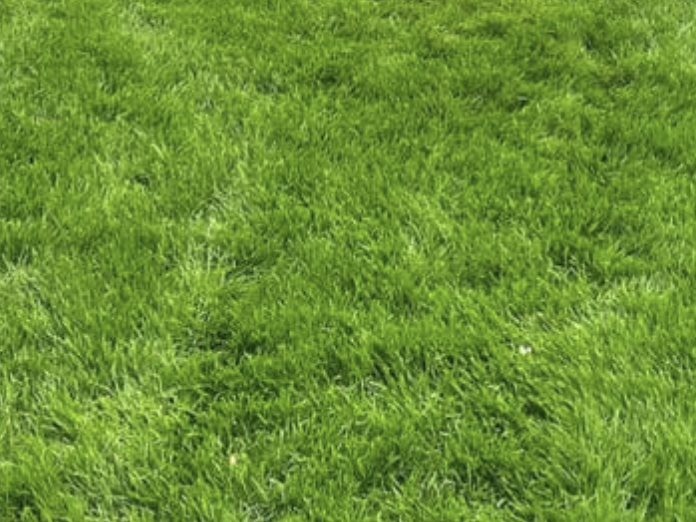
Blend containing elite fine fescue (creeping fescue, red fescue, hard fescue), perennial ryegrass, and Kentucky bluegrass varietes that have excellent shade tolerance. Produces a dense and lush dark green turf that has a fine leaf texture. Requires less maintenance and can withstand dense shade to moderate sun, due mostly to the fine fescue varieties.
Seeding rate and time:
New lawn: 4-6 lb/1,000 sq. ft.
Overseeding existing turf: 2-3 lb/sq. ft.
Plant in April-May or ideally Late August-September for best establishment. If planting on bare soil, rake after planting to improve seed to soil contact. Keep soil moist until germination, and water when soil surface begins to dry for 4-6 weeks after germination.
*image may not be exact representation of mix in your lawn setting.
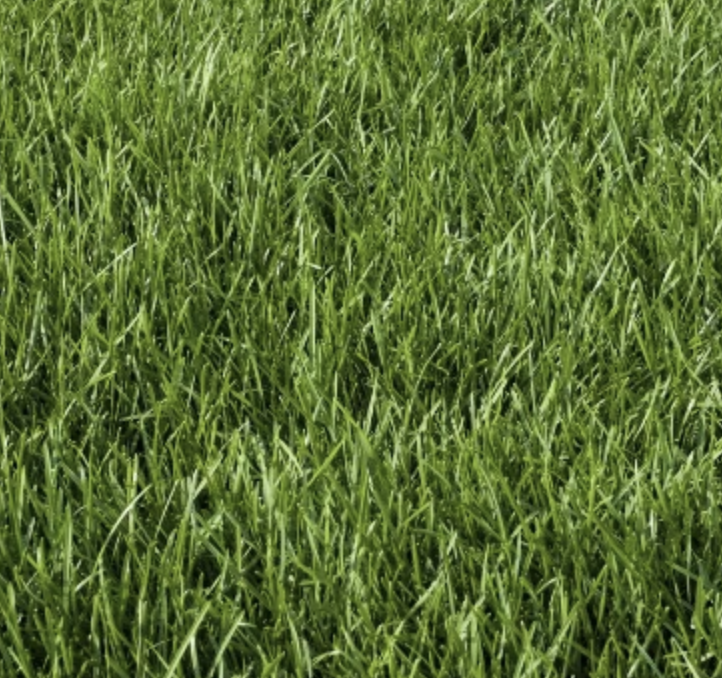
Blend of 5 elite Kentucky bluegrass varieties that form a lush, dark green lawn that is tolerant of full sun to moderate shade, and stands up to traffic. Kentucky bluegrass is often considered to produce the nicest looking lawn due to its fine leaf texture, dark blue-green color, and rhizomotous growth habit that stiches together densly. It is generally less drought tolerant than Tall Fescue, but recovers faster after periods of stress.
Seeding rate and time:
New lawn: 3 lb/1,000 sq. ft.
Overseeding existing turf: 2 lb/sq. ft.
Plant in April-early May or ideally Late August-September for best establishment. If planting on bare soil, rake after planting to improve seed to soil contact. Keep soil moist until germination, and water when soil surface begins to dry for 4-6 weeks after germination.
*image may not be exact representation of mix in your lawn setting.
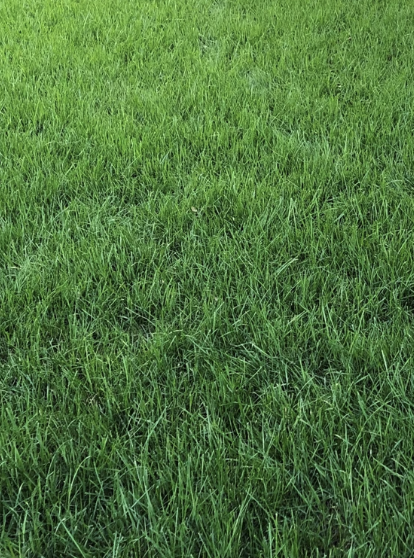
Blend of three elite rhizhomtous turf type tall fescue varieties that self-repair and stitch together, making a dense, dark green, lush lawn that stands up to the traffic of your daily routine. Varieties used are top performers in NTEP trials for disease, density, genetic color, and overall turf-quality. Grows wells in sun and partial shade.
Seeding rate and time:
New lawn: 8-10 lb/1,000 sq. ft.
Overseeding existing turf type tall fescue: 4-5 lb/sq. ft.
Plant in April-May or ideally Late August-September for best establishment. If planting on bare soil, rake after planting to improve seed to soil contact. Keep soil moist until germination, and water when soil surface begins to dry for 4-6 weeks after germination.
*image may not be exact representation of mix in your lawn setting.
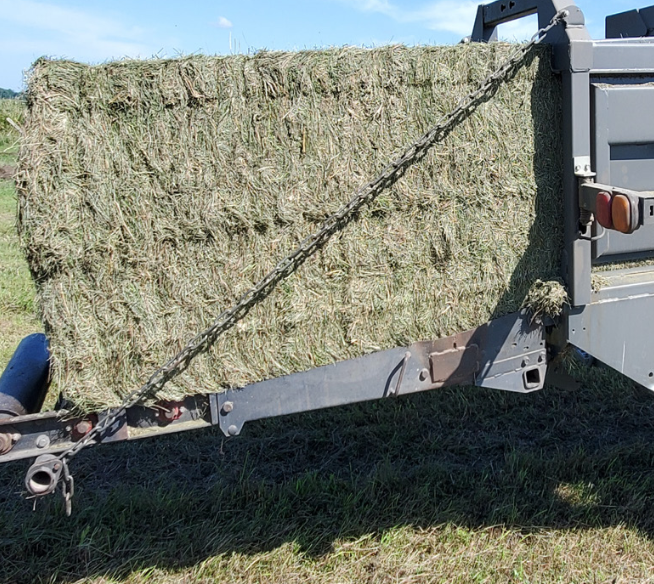
Excellent perennial grass mix for horse hay and pastures; also suitable for baleage or haylage. The blend is composed of species that dry down easily when harvested for hay and pairs well with legumes. It can be used to overseed existing stands of alfalfa and clover to extend stand life and improve forage quality. The mix has exceptional winter hardiness and provides season‑long production.
Species composition (elite varieties):
Meadow Fescue, Orchardgrass (split between two elite varieties), Festololium, Timothy.
Seeding rates and timing:
Alone (new stands): 20 lb/acre
With alfalfa or clover (new stands): 10-15 lb/acre grass mix + 10-15 lb/acre alfalfa
Overseeding: 10-15 lb/acre
Plant no deeper than 1/4 inch. Recommended planting windows: April–May or ideally late August–mid September.
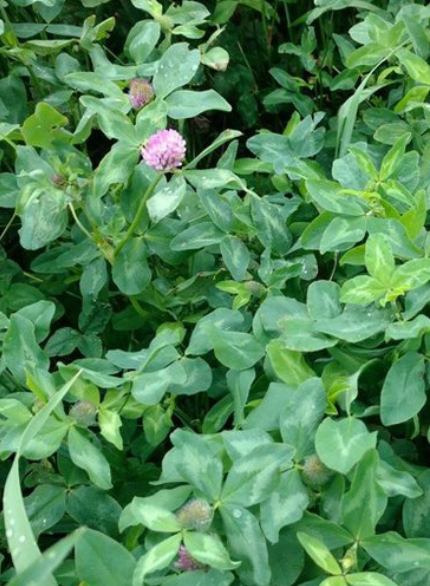
Excellent disease resistance to fusarium wilt, mycoleptodiscus root rot, and Northern and Southern anthracnose. Bearcat regrows aggressively after cutting, leading to excellent stand persistence and high yield. It excels in overseeding and frost seeding due to its aggressive growth.
Seeding rates and timing:
Alone (new stands): 10-14 lb/acre
Mix or Overseeding: 2-8 lb/acre
Plant no deeper than 1/4 inch. Recommended planting windows: March–May or ideally late August–September.
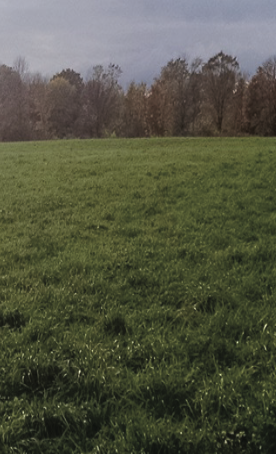
Balanced blend of elite legumes and grasses, produces high quality forage for pasture, baleage, haylage, or dry hay.
Mixture Components:
alfalfa, red clover, white clover, orchardgrass, timothy
Seeding rates and timing:
New Stands: 15-18 lb/acre
Plant no deeper than 1/4 inch. Recommended planting windows: April–May or ideally late August–mid September.
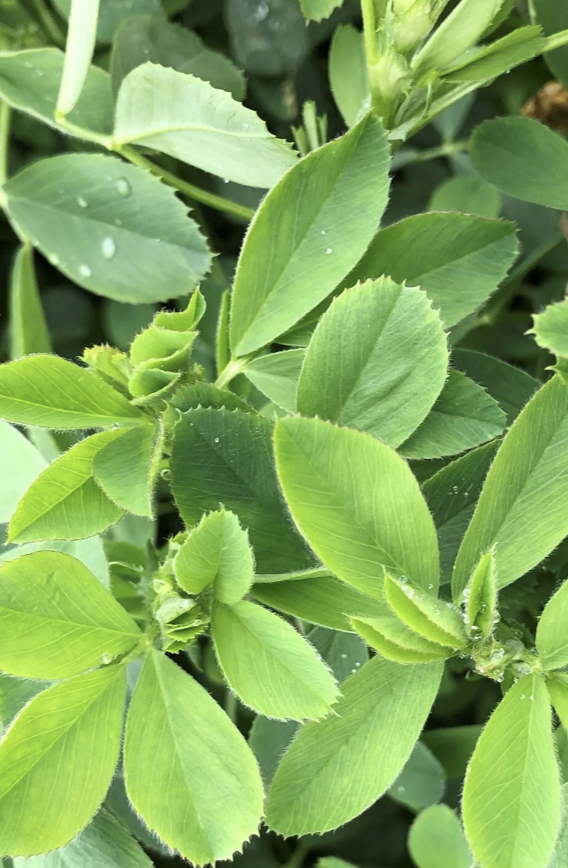
Excellent Non-GMO tap rooted variety with dark green color and high forage yield. Has strong resistance to Aphanomyces root rot races 1&2, Phytopthera root rot, Anthracnose race 1, Bacterial wilt, Fusarium wilt, Verticillium bacterial wilt, and potato leafhopper.
Seeding rates and timing:
Alone (new stands): 14-20 lb/acre
Mix: 8-10 lb/acre
Plant no deeper than 1/4 inch. Recommended planting windows: March–May or ideally late August–September.
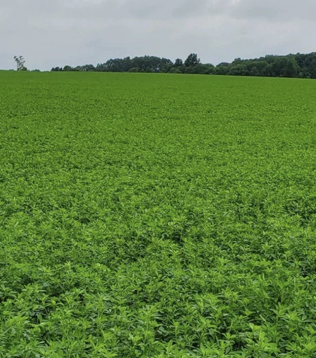
Cost effective Non-GMO alfalfa with excellent disease resistance, forage quality, yield, and winter survival. Has large crowns with high capacity to tiller, and tolerates heaving.
Seeding rates and timing:
Alone (new stands): 14-20 lb/acre
Mix: 8-10 lb/acre
Plant no deeper than 1/4 inch. Recommended planting windows: March–May or ideally late August–September.
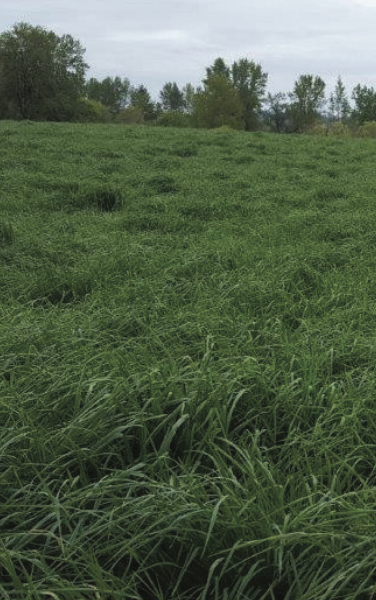
Blend of elite orchardgrasses from Barenbrug. Excellent high yielding, all purpose orchardgrass that can be used as a monostand, or mixed with other grasses and legumes for use in pasture, hay, and silage systems. Improved disease tolerance, digestability and energy.
Seeding rates and timing:
Alone (new stands): 15-20 lb/acre
Mix or Overseeding: 2-8 lb/acre
Plant no deeper than 1/4 inch in a firm seed bed. Recommended planting windows: April–May or ideally late August–September.
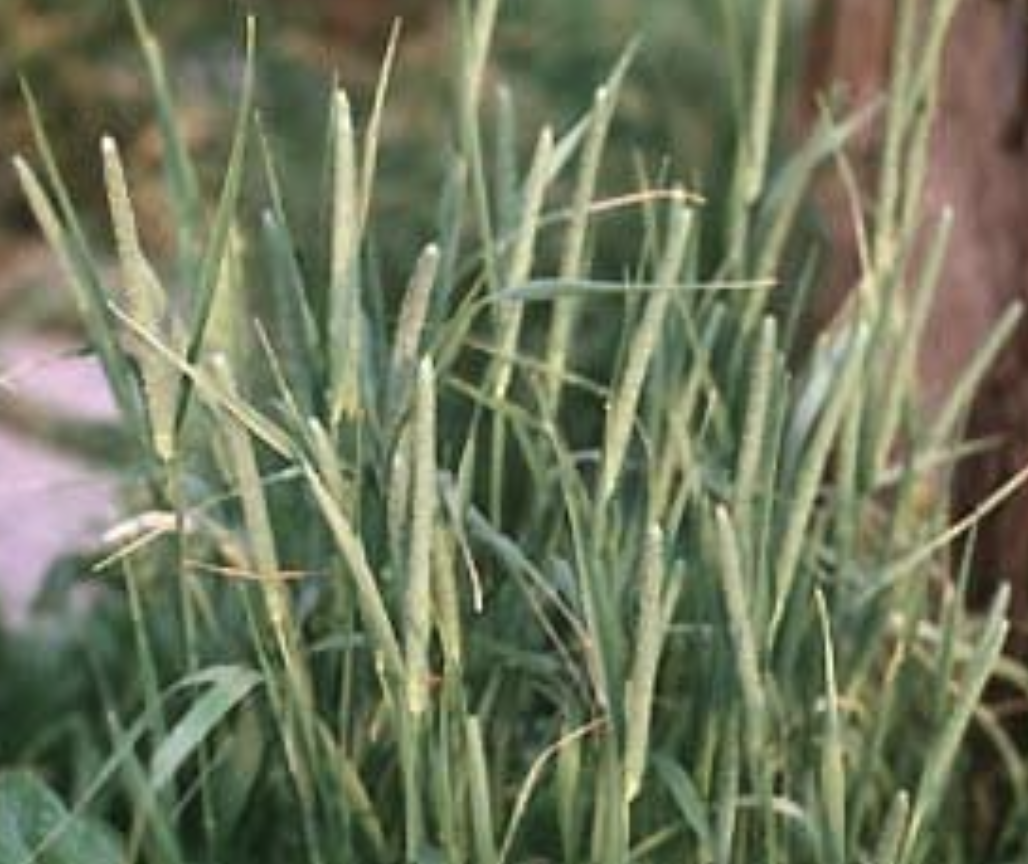
Excellent timothy for pairing with alfalfa, matures 3-5 days earlier than Climax. Has vigorous seedling growth, strong disease resistance and winter hardiness, in addition to high yields of excellent quality forage. Matures at 46”-50” and is less prone to lodging than other timothy varieties.
Seeding rates and timing:
Alone (new stands): 10-12 lb/acre
Mix or Overseeding: 2-3 lb/acre
Plant no deeper than 1/4 inch in a firm seed bed. Recommended planting windows: late March–May or ideally late August–September.
No results match your search. Try removing a few filters.
